
Optimal Timing for Tree Removals
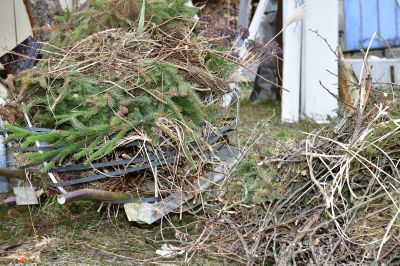
Winter is often considered ideal for tree removal due to dormant trees and less impact on surrounding vegetation.
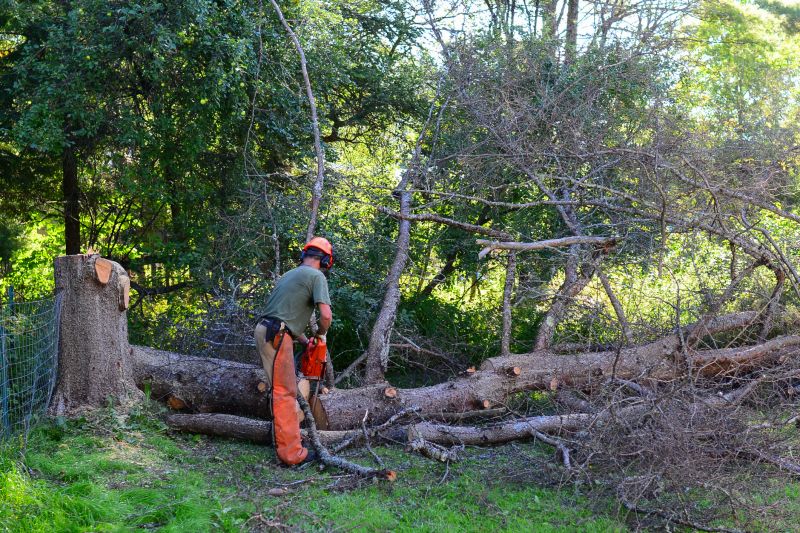
Spring can be suitable but may interfere with new growth and nesting activities.
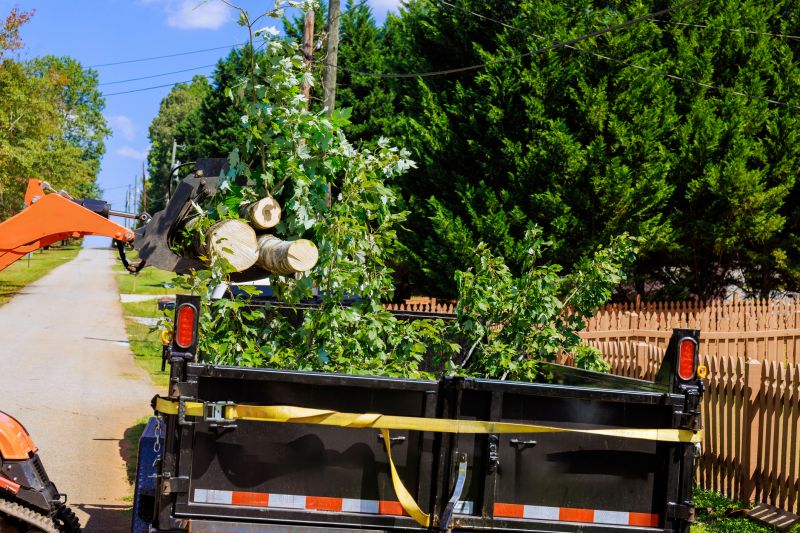
Summer removals are possible but can be more challenging due to foliage density and higher temperatures.
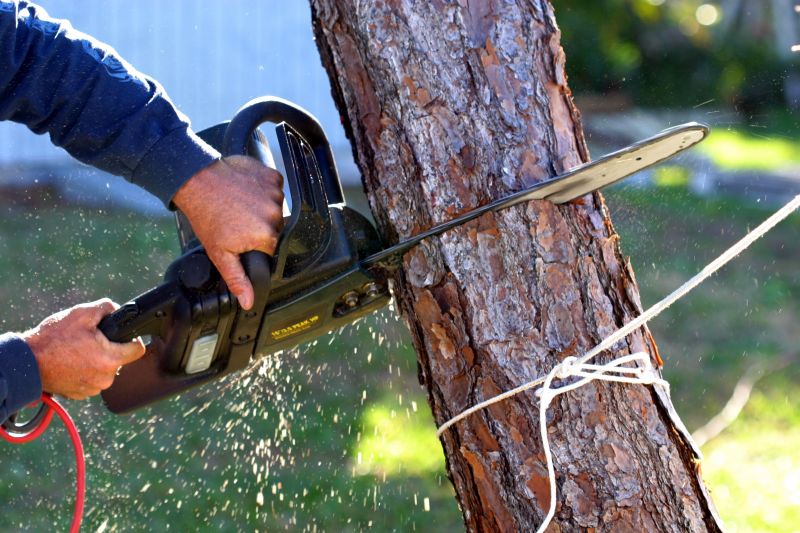
Ways to make Tree Removals work in tight or awkward layouts.
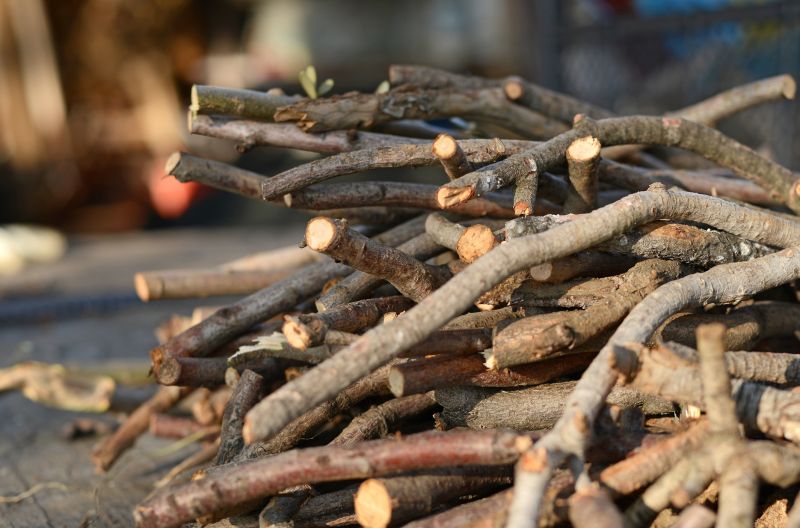
Popular materials for Tree Removals and why they hold up over time.
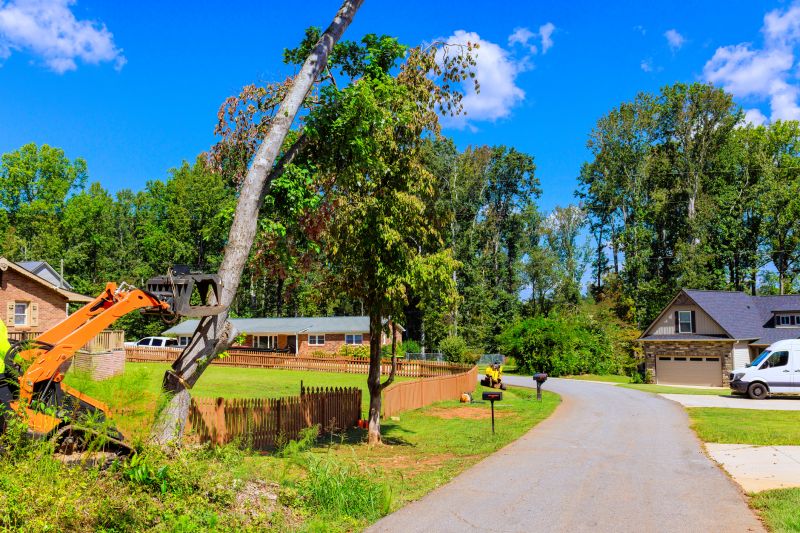
Simple add-ons that improve Tree Removals without blowing the budget.
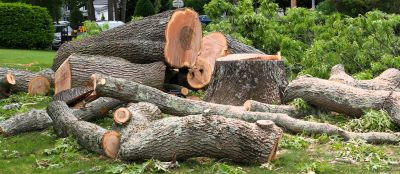
High-end options that actually feel worth it for Tree Removals.
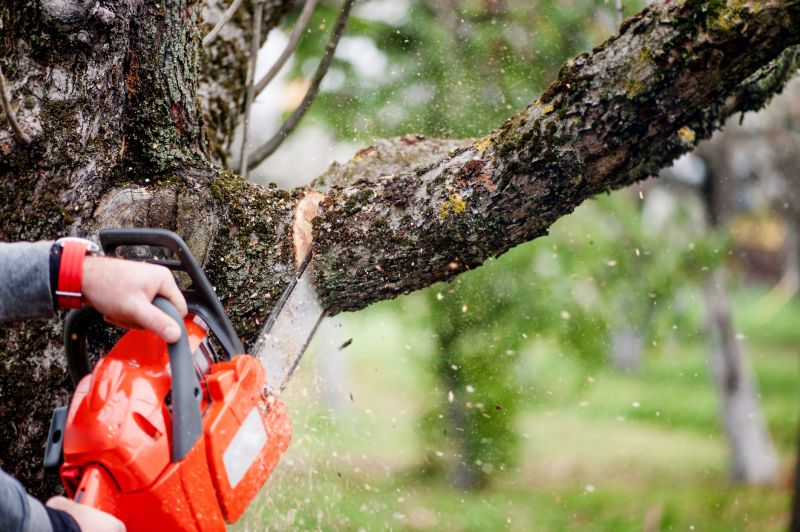
Finishes and colors that play nicely with Tree Removals.
Tree removals are essential for maintaining safety, health, and aesthetics of landscapes. The timing of these removals can influence the ease of work and the health of remaining trees. Proper timing ensures minimal disruption to the environment and reduces risks associated with falling branches or trees.
Seasonal changes affect tree removal strategies, with winter being the most favorable for safety and efficiency.
Removing trees during dormancy minimizes stress and promotes healthier landscape management.
Approximately 60% of tree removals in residential areas occur in winter, due to optimal conditions and safety considerations.
Timing removals to avoid nesting seasons helps protect local wildlife.

Little measurements that prevent headaches on Tree Removals day.
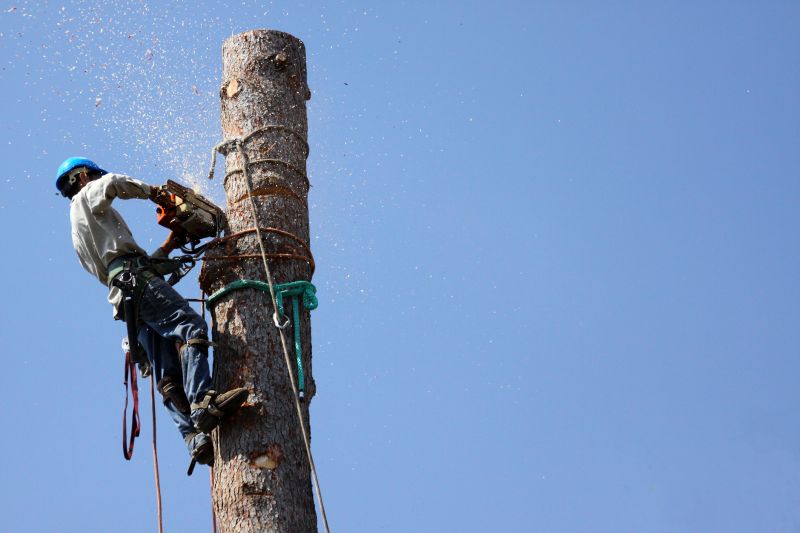
A 60-second routine that keeps Tree Removals looking new.
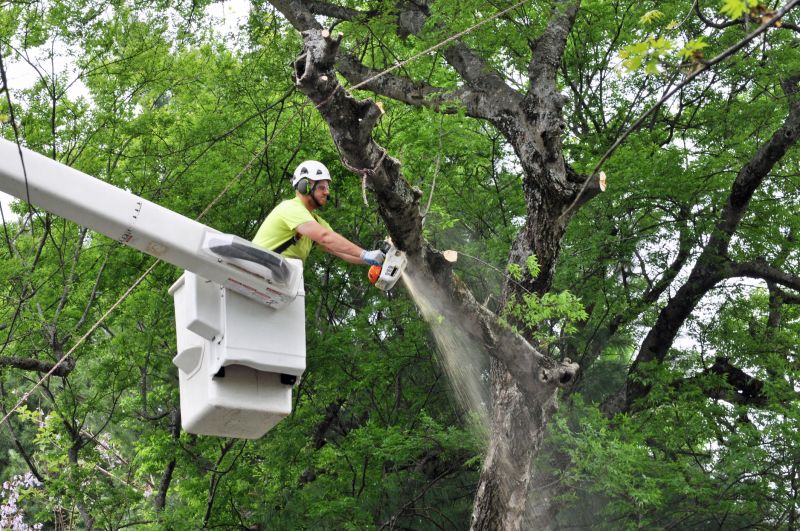
A frequent mistake in Tree Removals and how to dodge it.
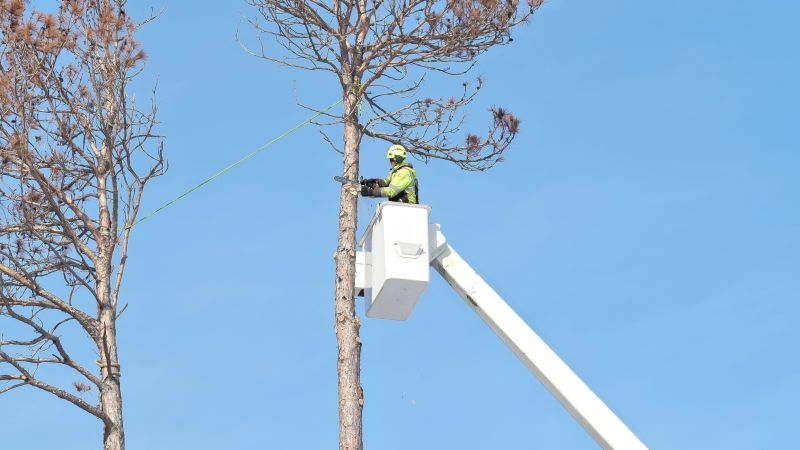
Small tweaks to make Tree Removals safer and easier to use.
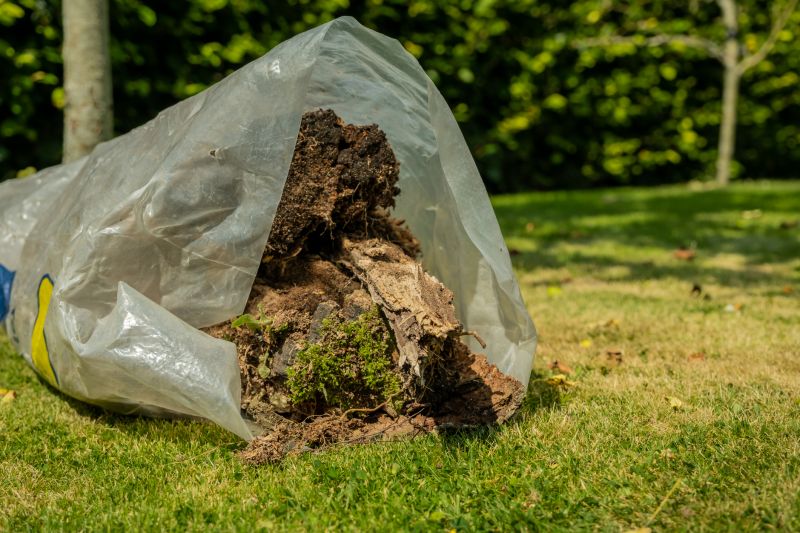
Lower-waste or water-saving choices for Tree Removals.
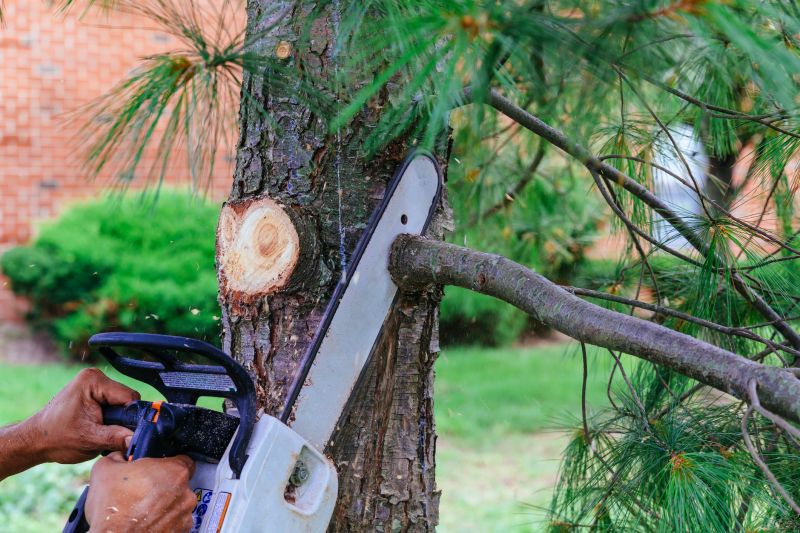
The short, realistic tool list for quality Tree Removals.
| Season | Best for Tree Removal | Considerations |
|---|---|---|
| Winter | Yes | Less foliage, safer, lower costs |
| Spring | Moderate | Interferes with nesting, sap flow |
| Summer | Less ideal | High foliage density, heat stress |
| Fall | Possible | Falling leaves can hinder access, wildlife activity |